


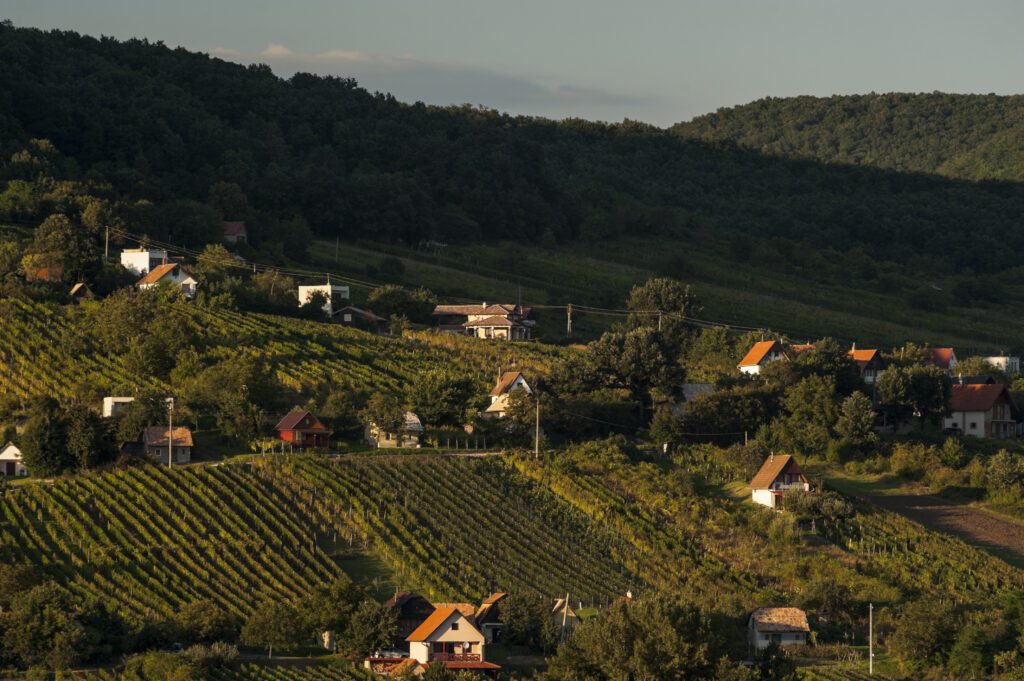
What is Terroir?
The term terroir originates from French and refers to the combination of natural and environmental factors that influence vine cultivation and the character of wine. It encompasses soil, climate, altitude, vineyard orientation, and even traditional cultivation methods of a particular region. Terroir is what makes wines unique, as each location has its own set of conditions that shape the taste and aroma of the wine.
How Terroir Influences Vines
Terroir affects vines in multiple ways. The soil determines the availability of nutrients and minerals that grapes absorb, shaping their flavor profile. The climate influences the ripening speed and acidity of grapes. Altitude and vineyard orientation impact the amount of sunlight the vines receive, regulating sugar and aromatic compound production. Vines are highly sensitive to their environment, which is why wines from different regions can be vastly different, even when made from the same grape variety.
Components of Terroir
Terroir consists of several key factors:
- Soil – The mineral content, soil structure, and water retention capacity influence vine growth and grape characteristics.
- Climate – Average temperatures, rainfall levels, sunshine, and wind conditions affect the ripening process.
- Topography – Altitude, slope orientation, and terrain inclination determine the amount of sunlight received and water drainage efficiency.
- Microclimate – Local conditions, such as proximity to rivers, lakes, or forests, create unique microclimates beneficial for vine growth.
- Human Factor – Traditional cultivation and winemaking methods are an integral part of terroir, as knowledge is passed down through generations.
The History of Terroir
The concept of terroir dates back centuries. Early winemakers noticed that wines from different regions had distinct characteristics and sought to understand why. In ancient Rome, it was already known that certain areas produced superior wines, and this knowledge was passed down through generations.
During the Middle Ages, monks in France systematically observed the influence of terroir on wine, dividing their vineyards based on soil quality and environmental conditions. This led to the first vineyard classifications, which still influence how wine quality is perceived today.
The Terroir of Csernus Winery
Csernus Winery is located in the village of Vinica, in the southern part of the Central Slovakian wine region. This location is distinguished by its unique soil composition and microclimate, which have a significant impact on the character of its wines.
The soil in this area is rich in minerals due to its volcanic origin—Mount Stráž, under which the vineyards are situated, is an extinct volcano. The soil composition includes granite, andesite, tuff, and limestone layers, which contribute to the wines’ fresh acidity, rich structure, and pronounced minerality. Additionally, a yellow layer of marine sediments is present, adding subtle nuances and complexity to the wines.
Climate is another key factor in the terroir of Csernus Winery. The vineyards’ southern orientation ensures an optimal amount of sunlight, supporting grape ripening and the development of complex aromatic compounds. Relatively warm days and cooler nights allow the grapes to develop a balanced flavor profile with elegant acidity and fruity notes.
The Csernus family has lived in Vinica for over 400 years, passing down their winemaking tradition from generation to generation. By combining traditional methods with modern technology, they fully harness the unique terroir of this region to produce wines that are authentic, harmonious, and unmistakable.
Thanks to the combination of volcanic subsoil, limestone layers, sun exposure, and the precise craftsmanship of Csernus Winery, the resulting wines boast rich aromas, elegant structure, and pronounced minerality, truly reflecting the unique terroir of this region.
